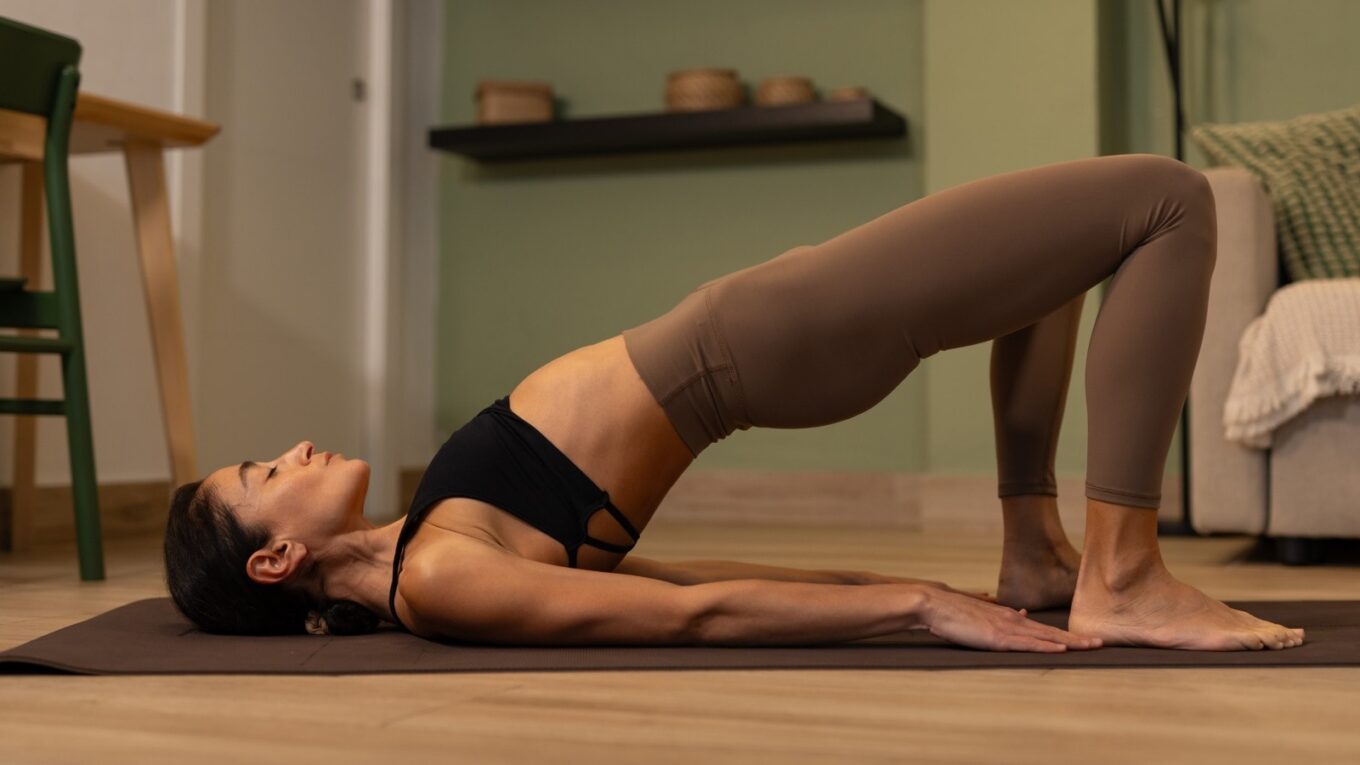
How to perform bridge pose for core strength: 9 simple steps
Bridge pose may look simple, but it works deeply on the core, spine, and metabolism. Yoga guru explains why should you try it.
Yoga is often seen as a slow and gentle practice, but certain poses can deliver powerful strength and toning benefits when done correctly. One such pose is the bridge pose, also known as Setu Bandhasana. This classic backbend is commonly practiced to stretch the spine, but its benefits go far beyond flexibility. Bridge pose activates the core, glutes, hips, and thighs while also supporting digestion, circulation, and posture.
According to yoga guru Himalayan Siddhaa Akshar, this pose works best when performed with proper alignment and breath awareness. It is especially helpful for people who sit for long hours, as it counteracts stiffness in the hips and lower back while gently energising the entire body.
What is bridge pose (Setu Bandhasana)?
Bridge pose is a beginner-friendly backbend where the body forms a gentle arch, resembling a bridge. In Sanskrit, setu means bridge, and bandha means lock. The pose involves lifting the hips while grounding the shoulders, arms, and feet. It is usually practiced toward the end of a yoga session to improve spinal mobility and release tension built up during the day.
Why is bridge pose effective for core strength?
Bridge pose strengthens the core by engaging deep abdominal muscles along with the glutes and inner thighs. Akshar explains that this combination creates stability through the pelvis and lower back, helping tone the belly more effectively than isolated ab exercises. A study by the National Institute of Ayurveda highlights that poses involving controlled spinal extension improve core activation, balance, and postural control when practiced consistently.
How does bridge pose support weight management?
One of the lesser-known benefits of bridge pose is its role in weight management. Since it activates large muscle groups simultaneously, it helps boost metabolism. Lifting the hips higher than the heart also improves blood flow to digestive organs, reducing bloating and supporting gut health. Research suggests that regular practice can help regulate stress hormones, which play a key role in weight gain.
Also read: 5 yoga inversion poses for beginners to boost blood circulation, strength and flexibility
Step-by-step guide: How to perform the bridge pose correctly?
- Lie on your back with knees bent and feet hip-width apart.
- Place your feet close to your glutes and keep your arms by your sides, palms down.
- Engage your core and press your lower back gently into the mat.
- Inhale and lift your hips slowly, rolling up the spine.
- Keep thighs parallel and knees aligned over heels.
- Optionally, clasp hands under your back and press arms into the mat.
- Hold for 30–60 seconds with steady breathing.
- Keep your chin slightly tucked and avoid turning your head.
- Exhale and slowly lower the spine back down.

Common bridge pose mistakes to avoid
Many people lose the benefits of bridge pose due to poor form. Avoid letting knees fall outward or touch each other, as this strains the joints. Overarching the lower back or lifting the chest too aggressively can cause neck discomfort. Akshar advises focusing on lengthening the spine rather than forcing height. Skipping warm-ups is another common mistake that increases injury risk.
Benefits of practising bridge pose regularly
Bridge pose stretches the spine, neck, chest, and shoulders while strengthening the core, legs, hips, and glutes. It improves posture, boosts circulation, supports digestion, reduces stress, and enhances spinal mobility. Studies from the National Institute of Ayurveda also note its calming effect on the nervous system, making it helpful for stress relief and overall balance.
You may also like

